A Weekend in the Pfalz: Great Wines, Old Vines and the People Behind Them
September 19, 2026
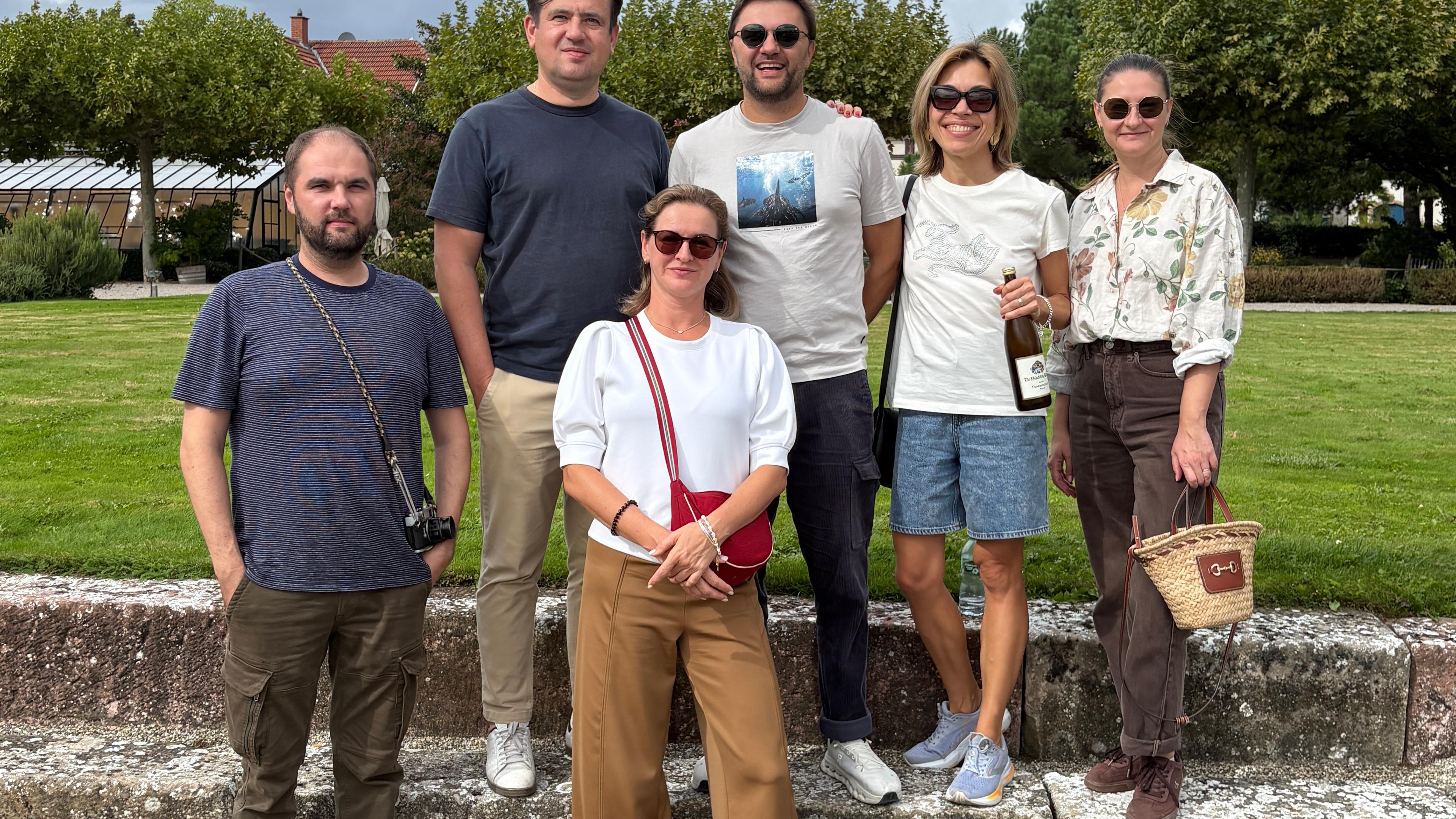
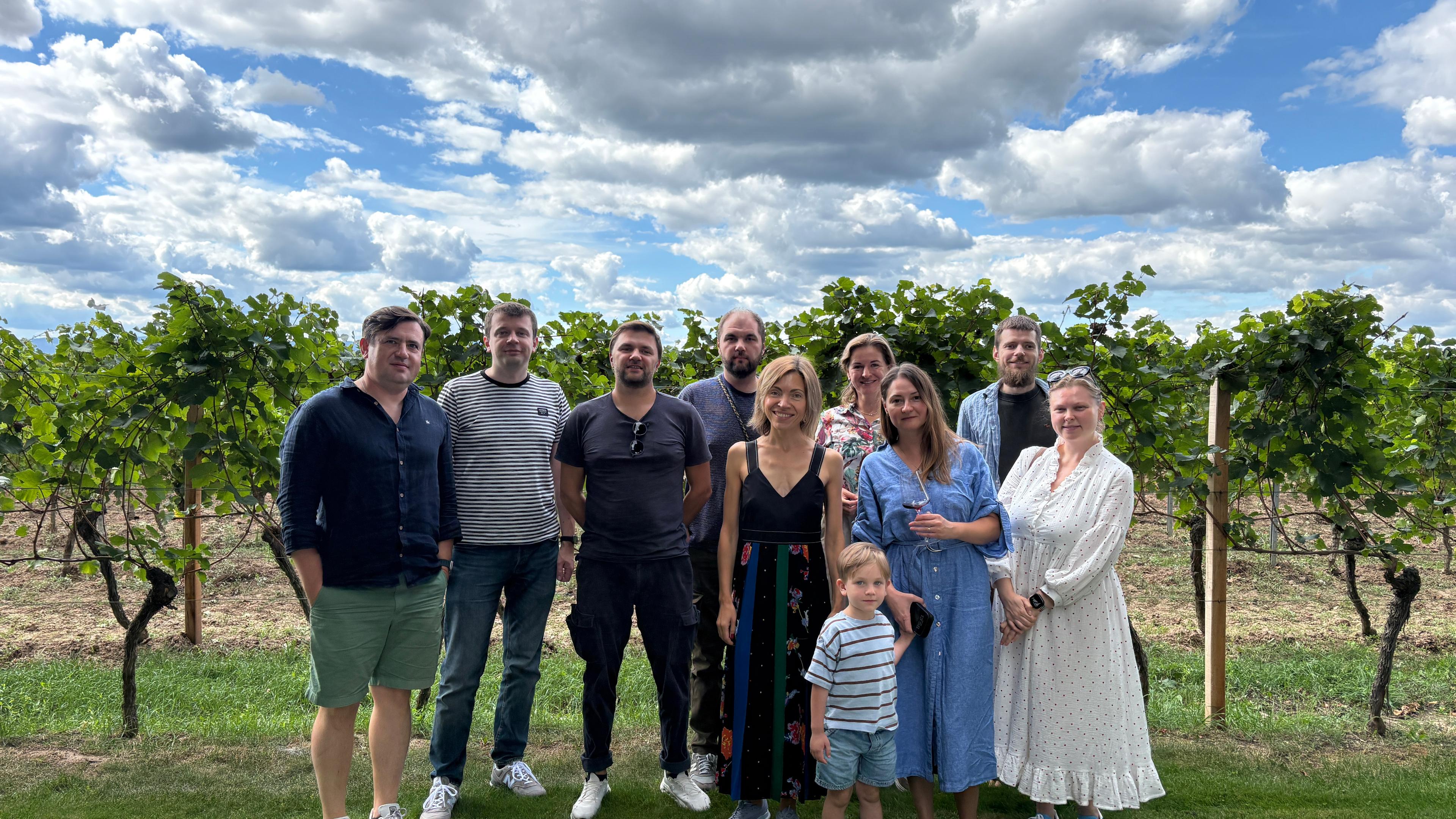
A story about a YOURWINEHUNTER weekend in the Pfalz, with old vines, unexpected reds, favourite wines from Bassermann-Jordan, great Rieslings from Bürklin-Wolf and two days of tasting in very good company.
There are wine regions you visit because they are famous, and there are those you keep returning to because you genuinely love being there. For me, the Pfalz has long belonged to the second category.
Living in Frankfurt makes this relationship dangerously easy. In a little more than an hour, the city disappears, vineyards begin to climb the hills, and names you usually see on wine labels suddenly become real places.
This September, I wanted to share that side of the Pfalz with a small group of wine lovers brought together through YOURWINEHUNTER.
I did not want to organise a conventional winery tour where people politely follow a guide, taste a few wines and move on. I wanted to bring together people who were genuinely curious about wine, who wanted to ask questions, compare bottles, discuss favourites and understand not only what was in the glass, but where it came from.
And somehow the group came together almost immediately.
We had two ambitious days ahead of us. Saturday began at Markus Schneider, continued with a stop at Weingut Rings and ended with dinner at Leopold at Von Winning in Deidesheim. On Sunday we started with Bassermann-Jordan and finished with a long afternoon at Dr. Bürklin-Wolf.
It was also harvest season, which made the whole weekend feel particularly alive. Vineyards were full of activity, tractors were everywhere, and at one point we watched mechanical harvesting in action. Harvest is probably one of the best times to visit a wine region because suddenly everything becomes much less theoretical.
Our first stop was Markus Schneider in Ellerstadt, and it was a perfect introduction to a side of the Pfalz that is much broader than Riesling.
Germany and Riesling are so strongly linked that it is easy to forget how interesting its red wines can be. One of the biggest surprises for us came from a grape that does not usually inspire much excitement: Portugieser.
Some of Schneider’s oldest Portugieser vines date back to the 1920s and, remarkably, have survived on their own original European roots rather than being grafted onto American rootstock, as the vast majority of European vines are today.
And the wine is much more interesting than its rather modest grape variety might suggest. There is concentration, dark and red fruit, spice and real depth, but without losing freshness. It was one of those wines that immediately challenged expectations and stayed in the conversation long after we left.
From there we continued to Rings in Freinsheim for another tasting before heading to Deidesheim.
By that point, though, the group had already found its rhythm: glasses moving around the table, people comparing impressions and cheerfully disagreeing over favourites. This is one of the reasons I enjoy tasting wine in a group. The same bottle can create completely different reactions, and that is far more interesting than everybody trying to arrive at the same “correct” tasting note.
By evening we reached Deidesheim and Leopold at Von Winning, where, after a full day of tasting, we did what sensible wine travellers do and ordered more wine with dinner.
By then, the group already felt less like people who had signed up for the same tour and more like friends away for the weekend.
Sunday morning began with a run through the vineyards for those of us who still had enough energy, before we arrived at Bassermann-Jordan.
This is one of the historic names of the Pfalz, but what I like about it is that the winery does not rely only on history. Alongside classic Rieslings, there are wines that show a much more experimental side.
One of my personal favourites is their Orange Pinot Gris.
The wine is fermented with the grape skins, which gives it both colour and texture, and then matured in concrete. It has the grip and complexity I want from orange wine, but it remains generous and very drinkable, with blood orange, pomegranate, spice and orange peel.
Then there is OVAL, their Pinot Blanc matured in a concrete egg. The shape of the vessel encourages natural movement of the wine during ageing, contributing to a creamy texture while avoiding the flavour imprint of oak. It is broad and soft without becoming heavy, with ripe melon and white peach and enough freshness to keep everything together.
And, of course, there was Riesling.
What I particularly like at Bassermann-Jordan is that you do not have to reach immediately for the most prestigious bottle to find something with character. Their Deidesheim Riesling, for example, shows a riper, warmer side of the grape, with more peach, apricot and yellow fruit rather than only lime and sharp citrus.
This is exactly the kind of Riesling I like to pour for people who say they find the variety too acidic. The Pfalz can be much more generous than that stereotype suggests.
Our final visit was Dr. Bürklin-Wolf, and this was the appointment I had deliberately saved for the end.
One of the first things that impressed me was the basic Riesling.
I have always believed that this is one of the best tests of a serious producer. Great estates can make spectacular flagship wines, but if even the simplest wine is precise, balanced and full of character, it tells you a lot about the standards of the winery as a whole.
And then came the wines from the great vineyards.
Two of the highlights were Gaisböhl 2016 and 2023 and Pechstein. Bürklin-Wolf owns the entire Gaisböhl vineyard, and tasting two vintages side by side was particularly interesting: the younger wine still had tension and youthful energy, while the 2016 had become more settled, layered and complex.
Pechstein felt completely different. The vineyard is known for its high proportion of black volcanic basalt, and the wine had a darker, smokier, more restrained character, with more tension and a distinctly stony quality.
Those wines side by side were perhaps the simplest possible explanation of terroir: the same grape, the same producer, only a few kilometres between the vineyards, and yet completely different personalities.
What made the visit particularly memorable, though, was Philippe’s hospitality. He gave us an extraordinary amount of his time, showed us around, talked us through the vineyards and the philosophy of the estate and was wonderfully generous with the bottles he opened for us.
At some point, it stopped feeling like a formal tasting and became a long conversation about wine.
Looking back at the weekend, what stayed with me was not simply a list of famous estates or impressive bottles. We tasted serious Riesling, Pinot Noir, old-vine Portugieser and orange Pinot Gris, compared vintages and talked about why the same grape can taste so different from one vineyard to another.
But wine becomes much more interesting when all those details connect to real places and real people.
And the bottles themselves become attached to conversations, dinners, arguments over favourites, a morning run through the vineyards and the people sitting next to you when you tasted them.
This was exactly what I hoped to create with YOURWINEHUNTER: a community of people who care about wine and want to understand it more deeply, but who never forget that wine is ultimately there to be shared.
And after two days, quite a few bottles and even more opinions, I think we did pretty well.
Judging by how much wine everyone took home, the Pfalz did too.