Pol Roger: The Champagne Worth Remembering
August 16, 2026
A story of a memorable evening with Pol Roger Pure Brut Nature and one of Champagne’s most elegant houses. From the family behind Pol Roger and its legendary connection with Winston Churchill to the distinctive style of its wines, this is also a story about why, in a world crowded with famous Champagne labels, some of the best discoveries are the ones that don’t need to shout.
Beautiful encounters have a tendency to turn into long conversations. And when there is a really good bottle of Champagne on the table, somehow nobody seems to be in a hurry to leave.
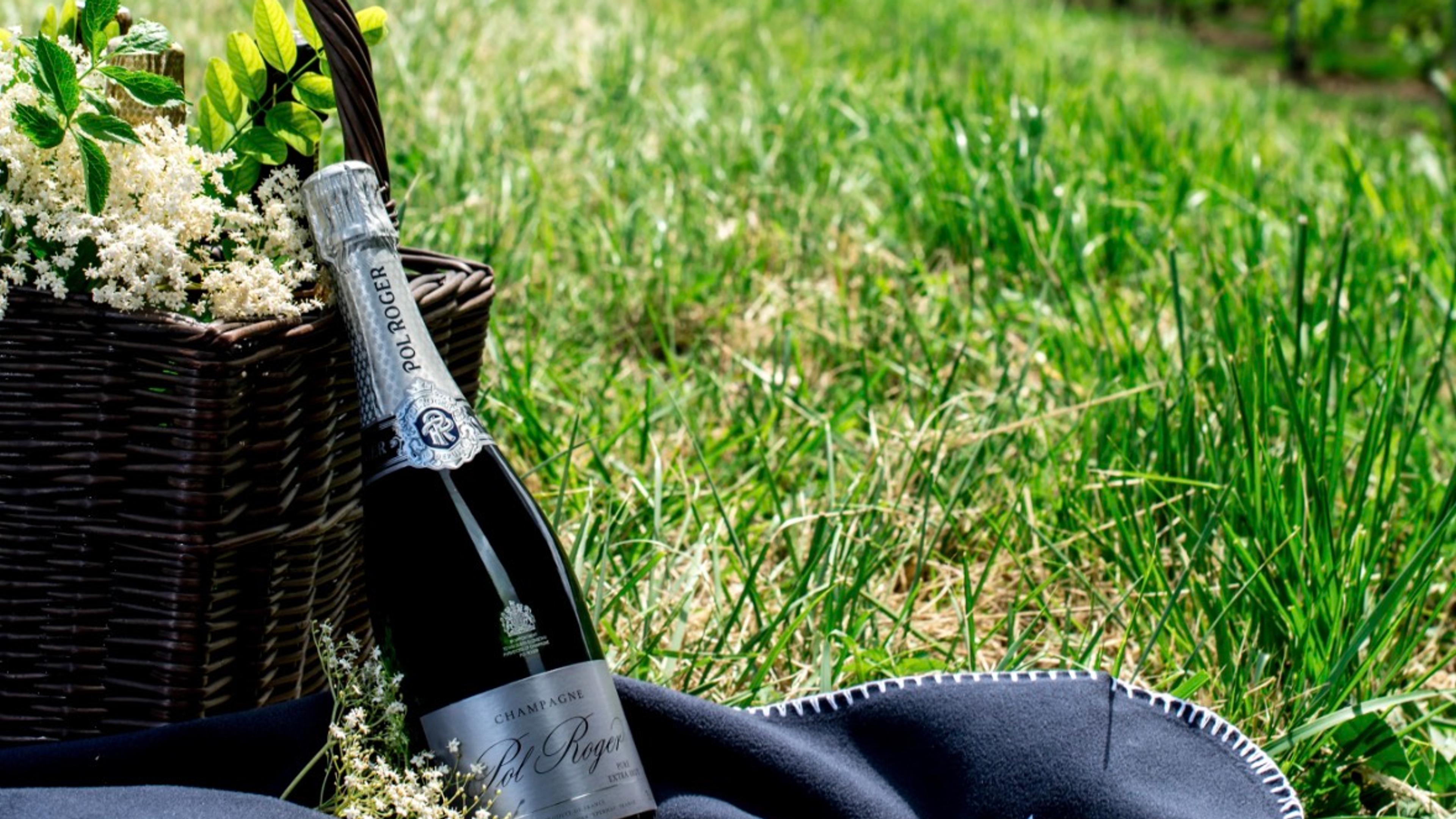
That was exactly the kind of evening we had recently in Frankfurt. One of those dinners where you suddenly realise that hours have passed, the conversation has moved through a dozen different subjects, and the bottle disappeared far too quickly. In our glasses that evening was Pol Roger Pure Extra Brut.
I had known Pol Roger for a long time, but it has never felt like the most obvious Champagne choice. And I mean that as a compliment. In a world dominated by a handful of names that everyone recognises before they even start drinking Champagne seriously, Pol Roger feels slightly more discreet. It is a house you often discover when you begin looking beyond labels and start paying attention to style.
Perhaps that discretion is part of its charm.
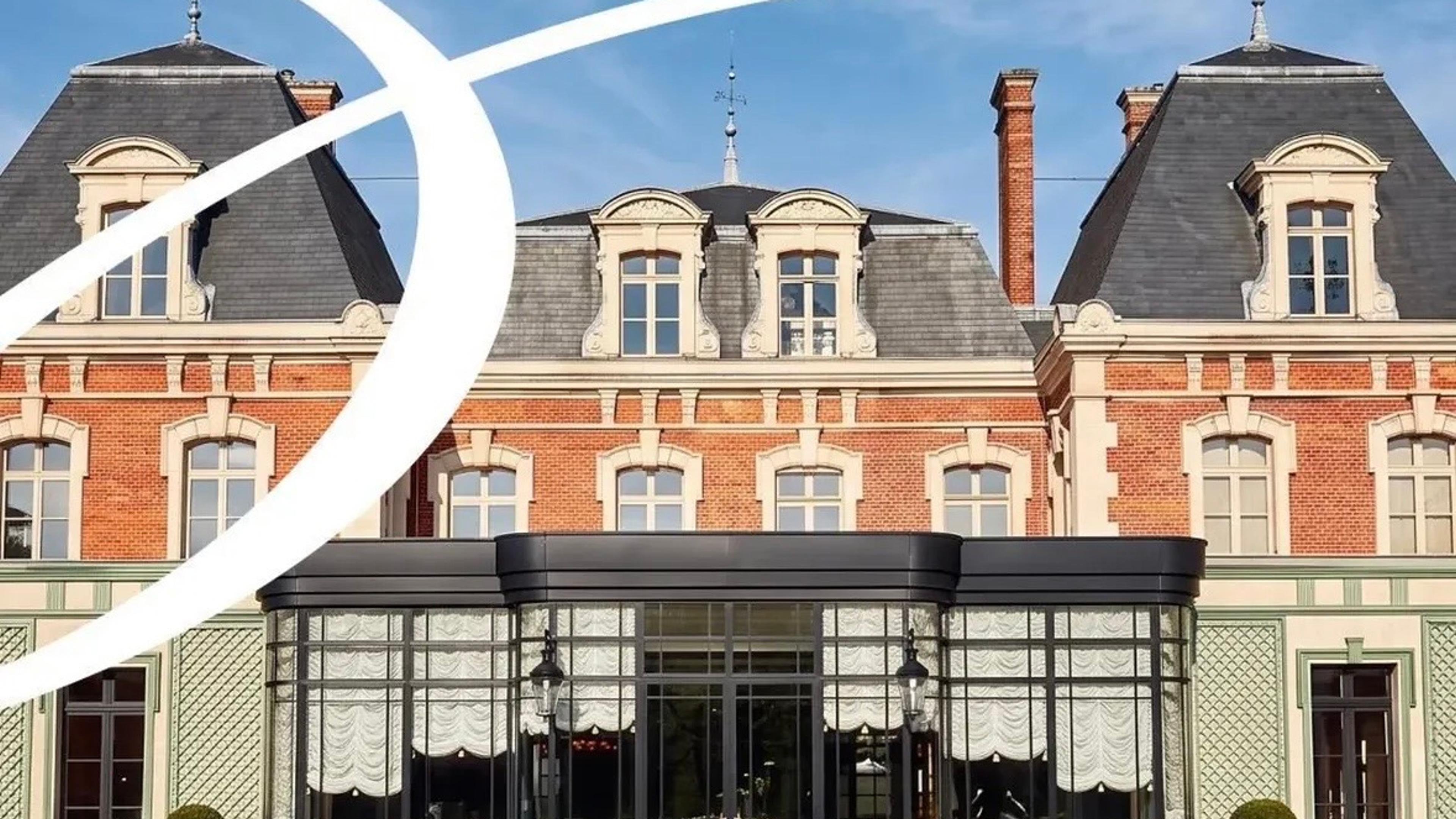
The story began in 1849, when Pol Roger, just 18 years old, made his first wine sale in Aÿ. His father had become seriously ill, forcing the young Roger to start earning a living. The business developed quickly and the family moved to Épernay in 1851. Remarkably, as early as 1855 Pol Roger was already focusing on drier Champagne, having recognised the British preference for the style. More than 175 years later, the house remains in family hands, now in its sixth generation.
There is also a rather dramatic chapter in its history. On 23 February 1900, part of the cellars and buildings collapsed, destroying 500 casks and around 1.5 million bottles. The founder had died only the year before, leaving his sons Maurice and Georges in charge. They rebuilt the business, and Pol Roger continued to expand internationally despite two World Wars, Prohibition in the United States and the loss of the Russian market after the Revolution.
And then, of course, there was Winston Churchill.
The relationship between Churchill and Pol Roger was much more than a clever piece of Champagne marketing. He met Odette Pol-Roger at a lunch given by the British Ambassador to France after the Second World War, where the 1928 Pol Roger was served. They became close friends, and Churchill became one of the house’s most famous devotees. He even named one of his racehorses Pol Roger. The horse went on to win at Kempton Park in 1953.
After Churchill’s death, the house created Cuvée Sir Winston Churchill in his honour. It was first produced from the 1975 vintage and is made only in exceptional years. The exact blend remains a family secret, although Pinot Noir dominates, accompanied by Chardonnay, both sourced exclusively from Grand Cru vineyards. The idea is to reproduce the qualities Churchill himself preferred in Champagne: structure, maturity, generosity and power.
But the bottle that brought me back to Pol Roger was something quite different.
Pure Extra Brut was created as an exercise in stripping Champagne back to its essentials. The house describes it as an attempt to present the wine in its most natural state. It is made from equal proportions of Pinot Noir, Meunier and Chardonnay and without dosage, allowing the character of the fruit and terroir to speak without the softening effect of added sugar. The wine spends at least four years ageing in Pol Roger’s cellars before release.
And perhaps this is why I liked it so much.
Pure is precise and fresh without becoming austere. There are citrus notes, bread and yeast, flowers and spice, followed by a firmer mineral character on the palate. Give it some time in the glass and it becomes broader, with subtle hints of honey and cloves appearing towards the finish. It is a Champagne that makes you pay attention rather than simply providing bubbles at the beginning of dinner.
There is another fascinating detail behind the Pol Roger style. Secondary fermentation and ageing take place in cellars around 33 metres underground, where the naturally cool conditions help produce the particularly fine, persistent mousse for which the house is known. Some of its wines are also still riddled by hand, something increasingly unusual in Champagne today.
And please, give a Champagne like this a proper glass.
I would choose a tulip-shaped Champagne glass or even a good white-wine glass rather than the extremely narrow flute that we still automatically associate with Champagne. You want enough space for the wine to open and show its aromas. Good Champagne is, after all, first and foremost wine. The bubbles are only part of the story.
Choosing Champagne has actually become surprisingly difficult. There are famous grandes marques, tiny grower-producers, Blanc de Blancs, Blanc de Noirs, vintage wines, prestige cuvées, Brut, Extra Brut and zero-dosage bottles. Add all the glamorous labels and famous names and it becomes very easy to get lost.
Which is why I increasingly like returning to houses with a recognisable personality rather than simply reaching for the most famous label.
Pol Roger is one of them. The range goes from the classic Brut Réserve through Pure Extra Brut, vintage Champagne, Blanc de Blancs and Rosé to Cuvée Sir Winston Churchill. Yet there is a certain restraint running through the house that makes it feel different from some of Champagne’s more visible luxury names. It doesn’t need to shout particularly loudly.
So if you see a bottle of Pol Roger, try it. And if it happens to be Pure Extra Brut, even better.
Just make sure you have enough time. Good Champagne has a habit of turning dinner into a very long evening.
Photo: Gault Millau