Étretat, Monet and the Taste of Normandy
May 11, 2026
An article about the Monet and Normandy exhibition at the Städel Museum, exploring how the small town of Étretat became a cultural icon for painters, writers and photographers, how Arsène Lupin gave the place a second wave of fame, and which wines and food pairings best capture the atmosphere of Normandy.
There are places that become beautiful because artists paint them. And then there are places that were already so magnetic that artists simply could not stay away.
That was my feeling after visiting the exhibition dedicated to Claude Monet and the Normandy coast at the Städel Museum.
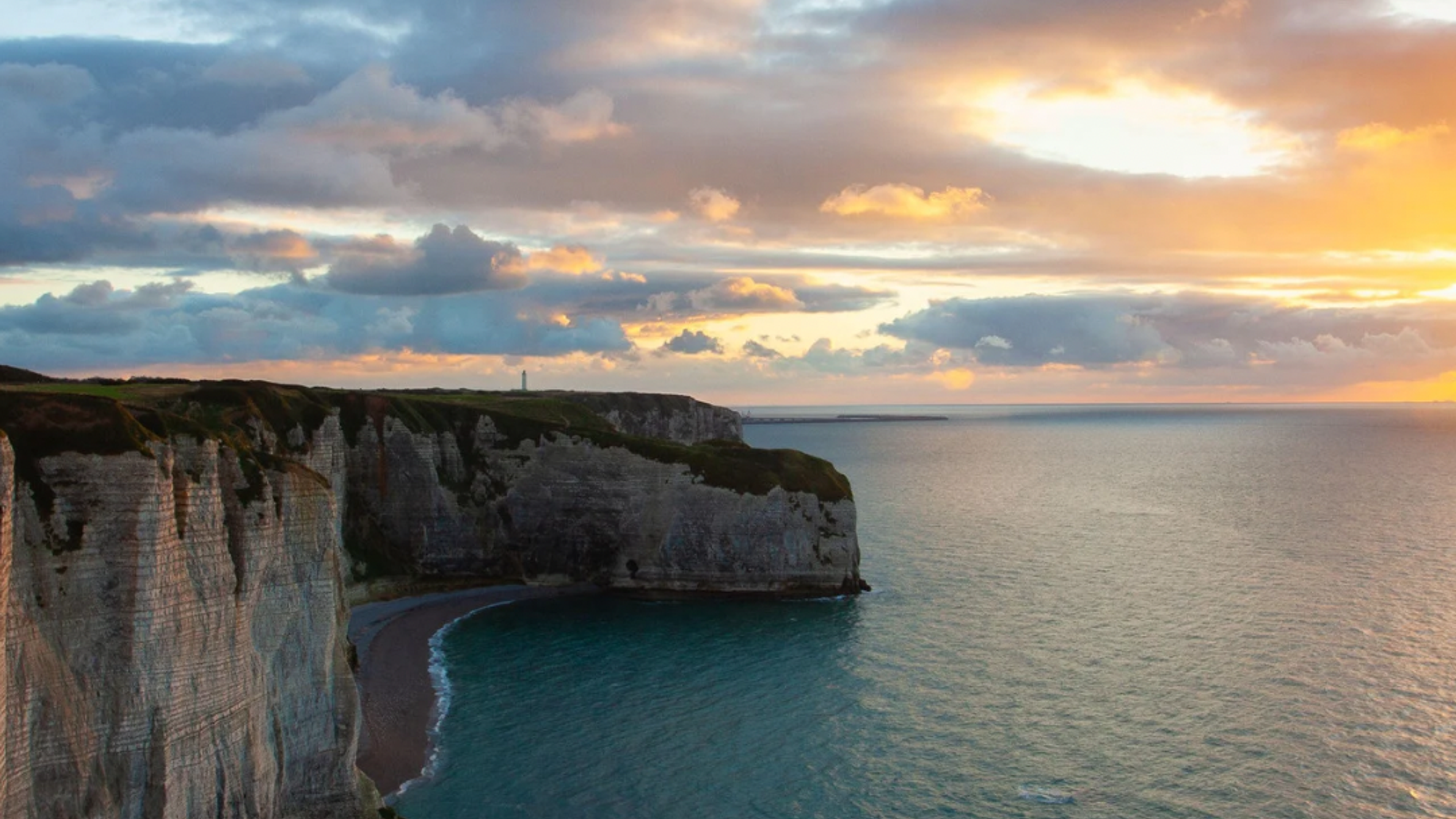
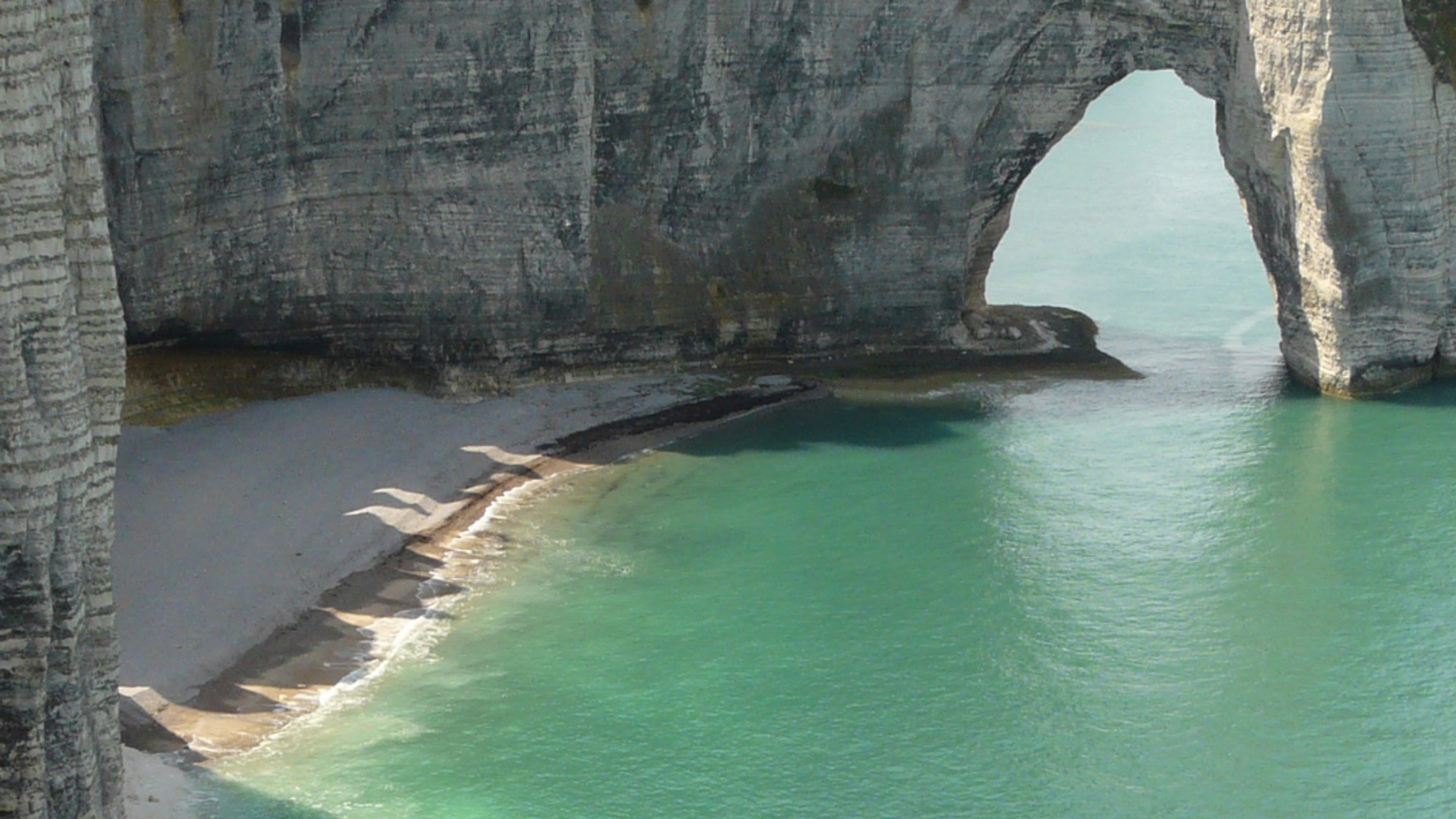
The exhibition focuses on the years Monet spent in Étretat, the small coastal town in Normandy famous for its white chalk cliffs, dramatic arches and constantly changing light. But what makes the exhibition especially interesting is that it is not only about Monet himself. It is also about the birth of a place as a cultural phenomenon.
Walking through the rooms, you begin to understand why Étretat became an obsession for so many artists and writers. The sea there never looks the same twice. The weather changes within minutes. The cliffs can feel monumental and soft at the same time. Even today, looking at old paintings, photographs and sketches, you almost feel the cold Atlantic wind.
The exhibition brings together works not only by Monet, but also by Gustave Courbet, Eugène Delacroix, Henri Matisse and other artists who travelled to Normandy searching for light and atmosphere. Some painted the cliffs almost theatrically, others focused on the sea, the fog or small everyday scenes from local life.
Monet approached Étretat differently. In many of his works the cliffs almost stop being geological formations and become something emotional. Light becomes the main character. The same arch, the same coastline, the same sea suddenly look completely different depending on the hour, season or weather.
But Normandy’s cultural story was shaped not only by painters.
Writers also played an enormous role in turning Étretat into one of the most romanticised places in France. Victor Hugo admired the dramatic coastline. Guy de Maupassant spent time there and wrote about Normandy frequently. And then came perhaps the most famous literary connection of all: Maurice Leblanc and his gentleman thief Arsène Lupin.
Leblanc lived in Étretat, and the town became central to the story of “The Hollow Needle”, one of the most famous Arsène Lupin novels. Suddenly the cliffs of Normandy were no longer only associated with Impressionism and painting, but also with mystery, hidden passages and literary fantasy. In many ways, Arsène Lupin gave Étretat a second cultural life in the twentieth century.
And perhaps this combination is exactly what makes Normandy so special even today. It is a region where landscape, literature, gastronomy and wine naturally blend into one atmosphere.
Normandy is not primarily famous for wine in the same way as Burgundy or Champagne. The climate is cooler, wetter and strongly influenced by the Atlantic Ocean. Historically, apples became far more important than grapes here. This is why Normandy is best known for cider, Calvados and Pommeau rather than classic French wine production.
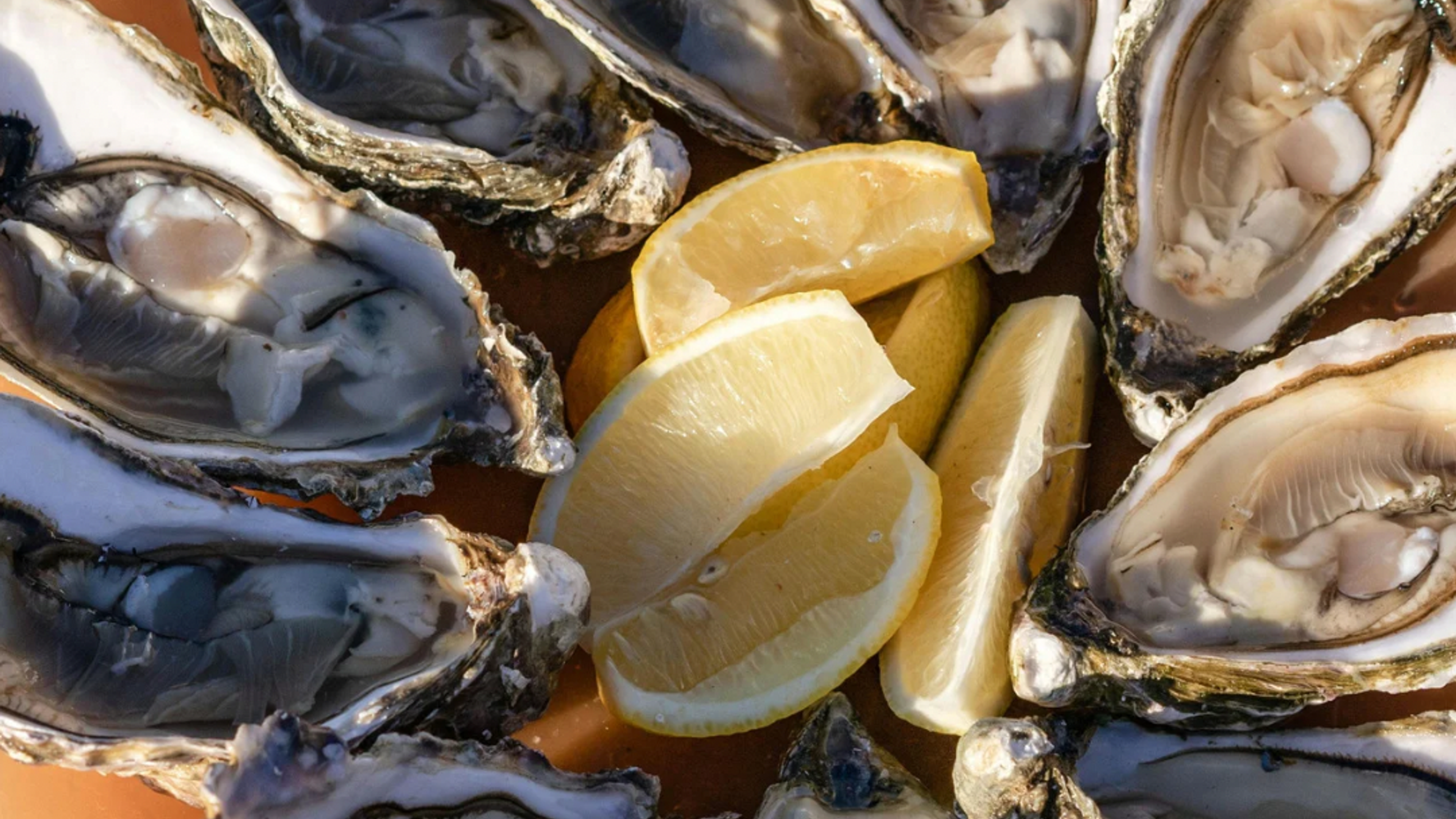
A good artisanal cider in Normandy can honestly feel just as gastronomic and terroir-driven as wine. Dry cidre brut with oysters near the coast is one of the simplest and best pairings the region can offer.
That said, small pockets of wine production do exist in Normandy today, especially as climate conditions slowly change. Some experimental vineyards are producing surprisingly fresh whites with high acidity and saline character, though production remains very limited.
And if we speak about oysters, Normandy immediately brings another subject to the table.
The oyster culture there is exceptional. Cold Atlantic water creates oysters with strong minerality, iodine notes and a clean saline finish. They naturally call for wines with tension and freshness rather than heavy fruit.
The classic pairing, of course, remains Muscadet, especially Muscadet Sèvre-et-Maine with its sharp acidity and sea-like minerality. Another perfect option is Chablis, particularly more mineral styles with restrained oak influence.
For those who prefer something sparkling, a very dry Champagne Blanc de Blancs works beautifully, especially with Normandy oysters that have a creamier texture.
Personally, though, after this exhibition, I kept thinking less about pairings and more about atmosphere and right now dreaming to go there and experience it fully.